
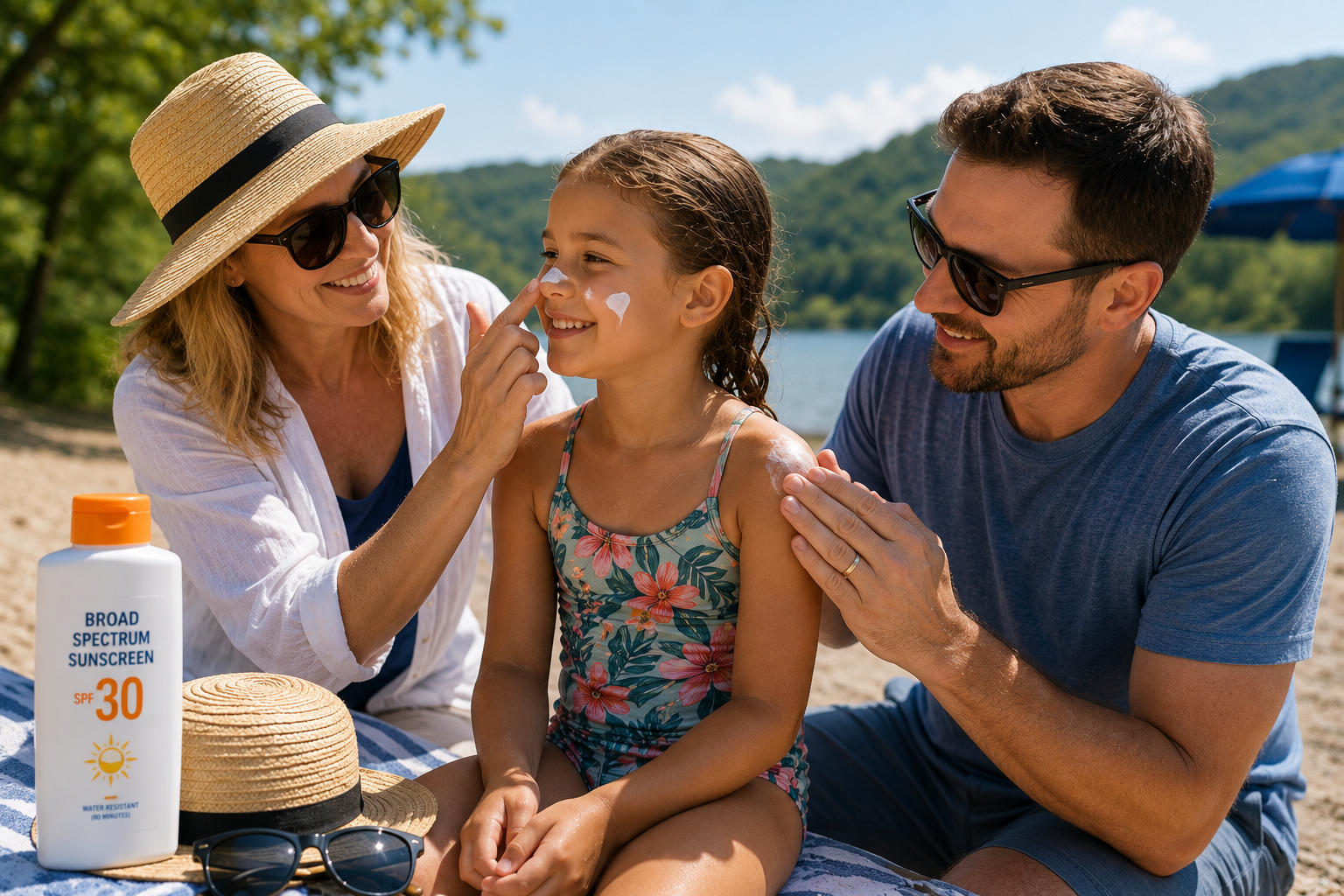
As temperatures rise and outdoor actives increase, UV Awareness Month serves as an important reminder to protect your skin from harmful ultraviolet (UV) radiation. While spending time outdoors offers many health benefits, excessive sun exposure can lead to premature aging, painful sunburns and an increased risk of skin cancer, including melanoma, the deadliest form of skin cancer.
Skin cancer is the most common type of cancer in the United States, but it is also one of the most preventable. Taking simple precautions each day can help reduce your risk and keep your skin healthy for years to come.
Understanding UV Radiation
UV rays from the sun can damage skin cells, even on cloudy or cool days. Over time, repeated exposure can cause changes in the skin that increase the risk of developing skin cancer. UV radiation is strongest between 10 a.m. and 4 p.m., making protection especially important during these hours.
Certain individuals may be at greater risk for sun damage, including those with fair skin, light-colored eyes, a family history of skin cancer or a history of frequent sunburn. However, everyone can benefit from practicing sun safety.
Simple Steps to Protect Your Skin
Protecting your skin does not have to be complicated. Consider these simple safety measures:
- Apply a broad-spectrum sunscreen with SPF 30 or higher.
- Reapply sunscreen every two hours or more often if you are swimming or sweating.
- Wear protective clothing, including long sleeves, wide-brimmed hats and UV-blocking sunglasses.
- Seek shade whenever possible, especially during peak sunlight hours.
- Avoid indoor tanning beds, which significantly increase skin cancer risk.
- Check your skin regularly for new or changing moles, freckles, or spots.
- Stay hydrated and take breaks from direct sunlight when spending extended periods outdoors.
Know the Warning Signs of Melanoma
Early detection is critical when it comes to melanoma. Be aware of changes in moles or spots on your skin and follow the ABCDE rule:
A-Asymmetry: One half does not match the other.
B-Border: Edges are irregular, ragged, or blurred
C- Color: Multiple colors or uneven coloring.
D-Diameter: Larger than 6 millimeters (about the size of a pencil eraser).
E- Evolving: Changes in size, shape, color, or appearance.
If you notice any concerning changes, schedule an evaluation with your healthcare provider. When detected early, melanoma is highly treatable, making routine skin checks an important part of maintaining your health.
A Message from Pikeville Medical Center
At Pikeville Medical Center, we encourage our community to prioritize skin health throughout the year. Taking a few preventative measures today can significantly reduce your risk of developing skin cancer in the future. Whether you are enjoying a day outdoors, attending a sporting event, gardening, or working outside, remember that sun safety is an important part of maintaining your overall health and wellbeing.
Protect your skin. Know the signs. Schedule regular skin checks. Together, we can reduce the impact of melanoma dn promote healthier lives throughout our region.