Heart disease, including heart attack, is the leading cause of death in the United States, but this crisis is significantly more severe throughout Appalachia. While heart disease is an underlying condition where plaque narrows the arteries, heart attacks are acute events that occur when an artery becomes completely blocked, cutting off blood flow to the heart muscle.
Recognizing the warning signs of a heart attack can save a life. Knowing when to seek emergency medical care can help begin treatment as quickly as possible.
- Chest discomfort. Most people having a heart attack feel discomfort in the center of the chest. It can last more than a few minutes, or it may go away and then return. It can feel like uncomfortable pressure, squeezing, fullness or pain.
- Discomfort in other areas of the upper body. Symptoms can include pain or discomfort in the:
- Arms (one or both)
- Back
- Neck
- Jaw
- Stomach
- Shortness of breath. This can happen with or without chest discomfort.
- Other signs. Other possible signs include:
- Breaking out in a cold sweat
- Nausea
- Rapid or irregular heartbeat
- Feeling unusually tired
- Feeling lightheaded
As with men, women’s most common heart attack symptom is chest pain (angina) or discomfort. But women may have other symptoms that are typically less associated with heart attack, such as:
- Anxiety
- Shortness of breath
- Nausea
- Vomiting
- Upset stomach
- Pain in the shoulder, back or arm
- Unusual tiredness and weakness
If someone experiences these symptoms, immediately call 911 or seek emergency medical care at the nearest hospital. To learn more about cardiology services at Pikeville Medical Center (PMC) or to schedule an appointment with a PMC cardiologist, call 606-430-2201 or visit www.pmcky.org/heart.
Start with Heart-Healthy Eating
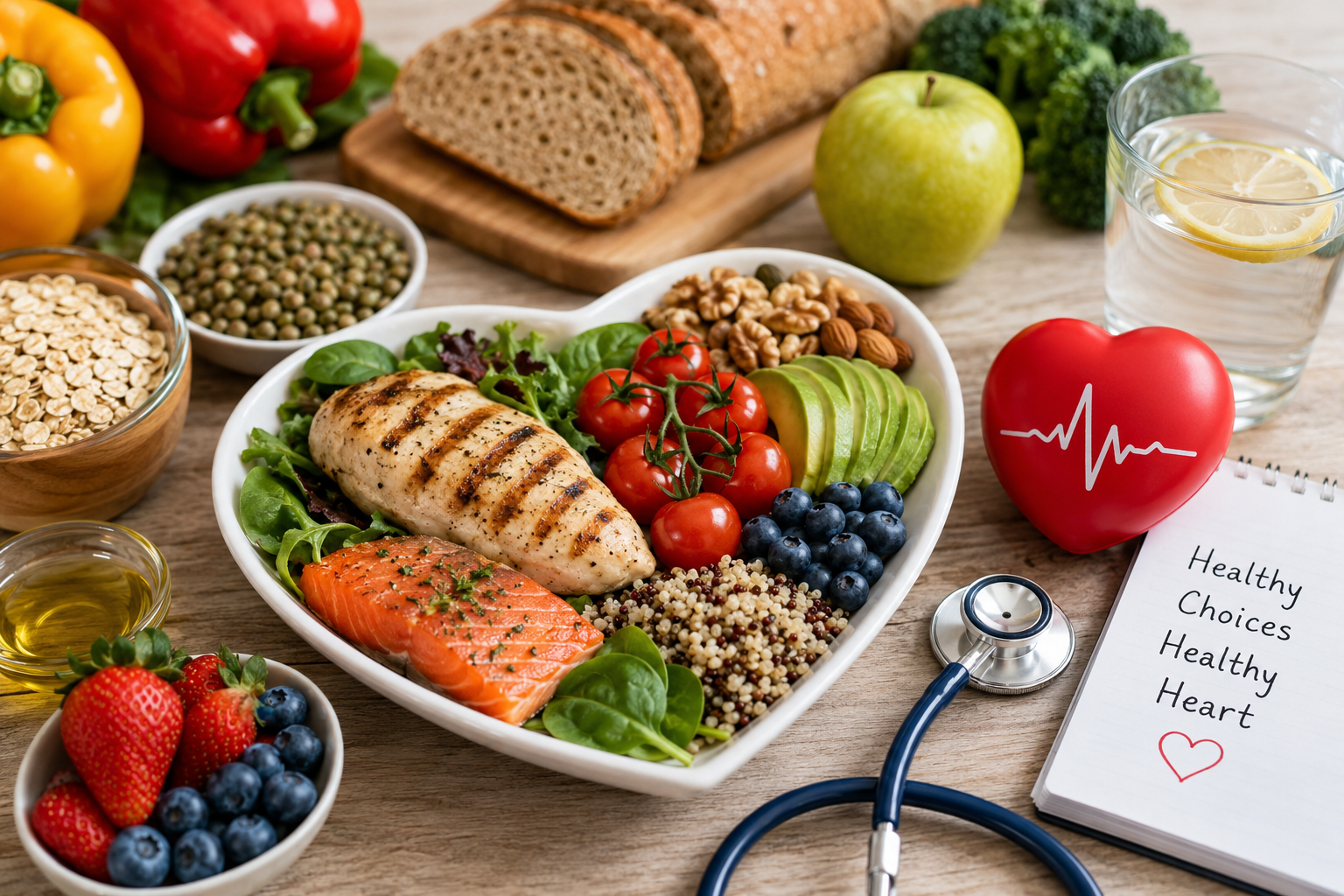
Eating heart-healthy foods is one of the most effective ways to lower the risk of a heart attack. By choosing nutritious ingredients and building balanced meals, you can make healthy eating both enjoyable and sustainable.
Physicians encourage patients to choose foods with fewer added ingredients, especially added salt, unhealthy fats and sugar. Reading food labels and understanding personal goals for fat, calories and sodium can make it easier to stay on target.
Fruits and vegetables are key to a heart-healthy diet because they do not contain added fats, sugar or sodium.
When buying frozen or canned produce, read labels:
- Look for types that do not have anything added to the fruits or vegetables, such as sauces, gravies, or seasonings.
- Canned vegetables may be high in sodium. However, there are many lower-sodium or salt-free varieties.
Breads, Cereals & Grains
- Look for products with whole grains (such as whole wheat, rye, or oats) as the first ingredient.
- Breads with at least 2 grams (g) of fiber per serving are good choices.
- Select cereals that contain at least 5g fiber per serving.
- Limit cereals that list added sugars on the label.
- Check the label for the amount of sodium if on a reduced-sodium plan.
Milk & Dairy
- Choose nonfat (skim), ½%-fat, or 1%-fat milk.
- Look for tasty cheeses that are low in saturated fat and sodium. Choose them more often than regular cheese.
Meats and Other Protein Foods
- When choosing chicken or other poultry, look for breast or white meat without the skin
- When choosing beef and veal, pick cuts without much marbling (fat). Healthy types include round steak, tenderloin, and sirloin tips.
- Lean center cuts are the best cuts of pork and lamb.
- Canned fish (such as tuna) can be high in sodium. Choose low-sodium brands.
- Add vegetarian entrees and vegetable protein foods, like beans, veggie burgers or tofu. Look for products that are low in saturated fat and sodium and high in fiber.
Other Foods & Desserts
- Convenience foods, such as canned soups, pasta sauces and prepackaged or frozen dinner entrees and side dishes can be high in sodium and/or fat. Read labels and choose carefully.
- There are many snack foods that can be enjoyed:
- Nuts, seeds, and pretzels make good snacks. Avoid those with added salt.
- Keep sodium and saturated fat limits in mind while shopping.
- Look for snacks that are free of trans fat. If the ingredients include hydrogenated oil, then the food has trans fat.
- It is okay to have desserts occasionally:
- Fresh fruit and nonfat or low-fat frozen yogurt are good choices.
- There are many kinds of reduced-fat and fat-free candies, cakes, cookies, pastries and frozen desserts. They may fit within a person’s limits for fat and sodium. However, many fat-free or low-fat desserts are high in calories and low in healthy nutrients. Have them only occasionally.