
Your lungs work around the clock, bringing oxygen into your body and removing carbon dioxide with every breath. Because lung health plays such an important role in overall health, taking steps to protect your lungs and identifying potential problems early is essential.
Why Lung Health Matters
Lung problems can develop gradually, sometimes without noticeable symptoms in the early stages. Smoke is the leading risk factor for lung cancer, but other factors can also increase the risk, including exposure to secondhand smoke, radon, certain workplace chemicals, air pollution, family history and some chronic lung conditions.
One of the most important things people can do for their lung health is avoiding tobacco products or quit smoking. Regular physical activity, reducing exposure to smoke and other lung irritants, following treatment plans for existing respiratory conditions and discussing concerning symptoms with a healthcare provider can also help support healthier lungs.
What is a Low-Dose CT Scan?
A low-dose computed tomography (LDCT) scan is a specialized imaging test used to screen for lung cancer. Unlike a standard CT scan, LDCT uses a lower amount of radiation while still producing detailed images of the lungs.
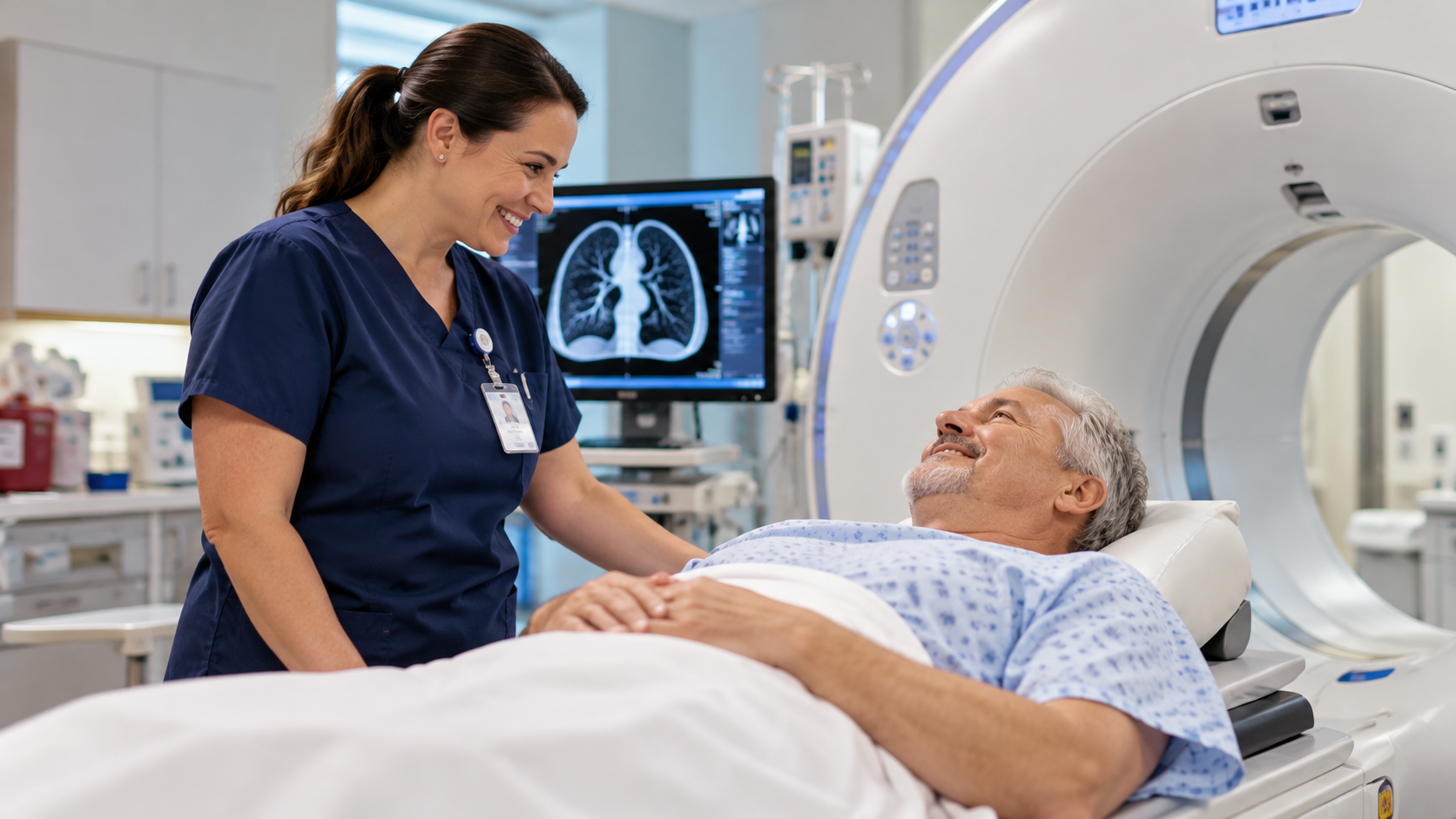
The scan is quick and noninvasive. During examination, the patient lies on a table that moves through the CT scanner while detailed images of the lungs are taken. There are no needles or incisions involved.
The goal of screening is to find lung cancer before symptoms develop, when it may be smaller and more treatable. LDCT screening can reduce deaths from lung cancer among people at high risk.
Who Should Consider Lung Cancer Screening?
According to the U.S. Preventative Service Task Force, adults who meet all the following criteria should be offered annual lung cancer screenings with LCDT:
- Age 50 to 80
- A history of at least 20 pack-years
- Currently smoke or quit within the past 15 years
A pack-year is a way of measuring a person’s lifetime tabacco exposure. For example, smoking one pack of cigarettes a day for 20 years equals 20 pack-years.
Know the Warning Signs
Even if you do not qualify for routine lung cancer screenings, you should talk with your healthcare provider if you experience symptoms that are persistent or concerning.
Potential warning signs can include:
- A cough that does not go away or gets worse
- Coughing up blood
- Unexplained shortness of breath
- Chest pain, especially when breathing deeply or coughing
- Unexplained weight loss
- Persistent hoarseness
- Recurring respiratory infections
- Unusual or persistent fatigue
These symptoms can have many causes and do not necessarily mean cancer. However, they should not be ignored.
Take an Active Role in Your Lung Health
Lung health is something you can work on at every age. Avoiding tobacco, quitting smoking when possible, limiting exposure to secondhand smoke and other irritants, staying active and keeping regular appointments with your healthcare provider are all important steps.
For people at increased risk of lung cancer, annual LDCT screening can provide another important layer of protection by looking for disease before symptoms appear.
Talk with your healthcare provider to determine whether you are at increased risk, and whether a low-dose CT lung cancer screening is right for you.