
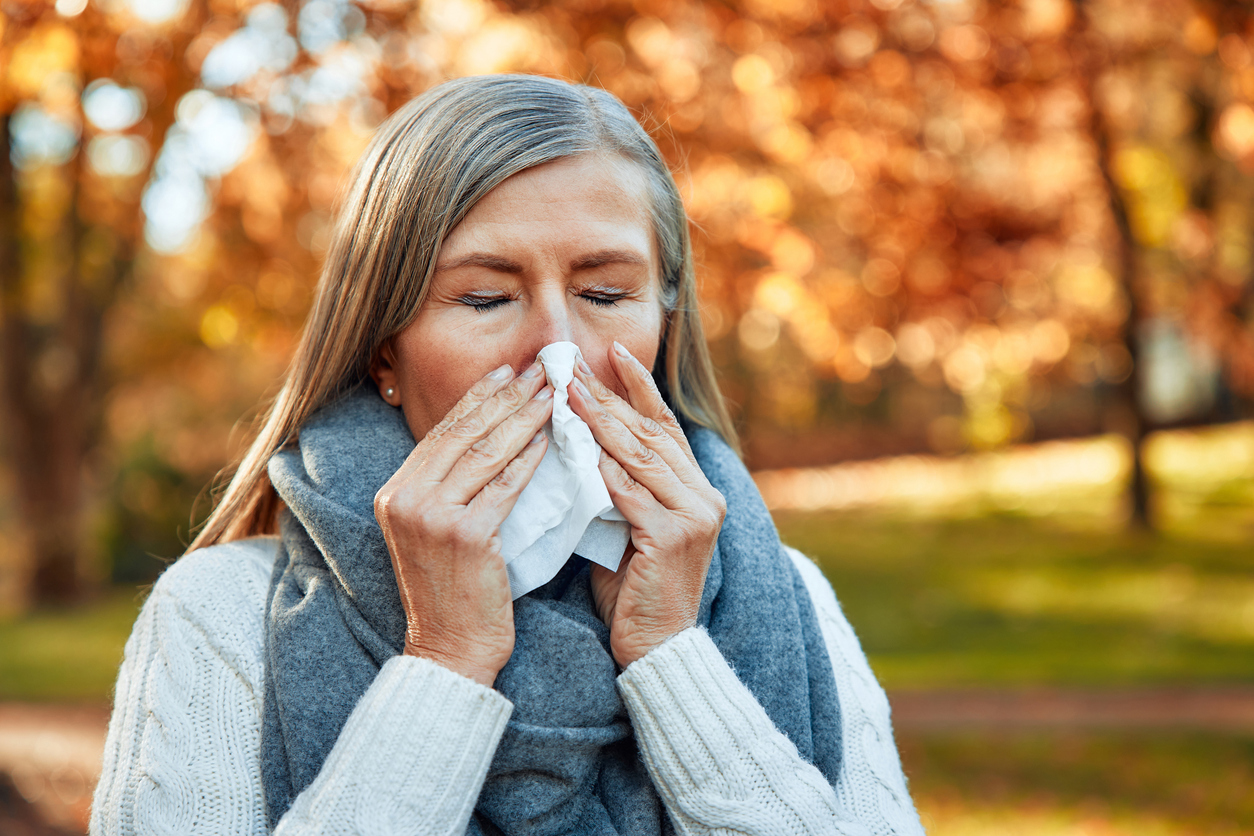
Understanding Seasonal Illness: What to Expect this Fall
As leaves begin to change, the arrival of fall brings more than just cozy sweaters and pumpkin flavors – it also marks the return of seasonal illnesses, such as the flu and common cold. Each year, families across the U.S. may experience a spike in respiratory illnesses and other seasonal health trends, which greatly affect schools, workplaces, and households. During this challenging season, Pikeville Medical Center (PMC) is committed to helping limit the spread of seasonal illness.
Common respiratory illnesses that spike in the fall are the flu, RSV, common cold, COVID-19 and other emerging viruses.
Flu activity often begins to increase in October and typically peaks between December and February, affecting people of all ages. While often mistaken for a cold, flu symptoms tend to come on suddenly and be more severe. Symptoms may include fever, body aches, fatigue, cough and sore throat.
RSV is a common respiratory virus that usually causes mild, cold-like symptoms, but can be more serious for infants, older adults, and those with underlying health conditions. RSV season typically starts in the fall and peaks in winter. However, the common cold circulates year-round but tends to rise in the fall. Symptoms include a runny nose, sneezing, and congestion. While typically mild, colds can still lead to missed school or workdays.
COVID-19 continues to circulate and may cause seasonal upticks similar to other respiratory illnesses. Staying informed on local health trends can help people respond appropriately when symptoms arise. COVID-19 symptoms are similar to those of other respiratory diseases but may come with a new loss of taste or smell, shortness of breath or difficulty breathing.
Those experiencing symptoms of a respiratory illness should consult their primary care provider or seek treatment at their local urgent care. Providers and staff at the PMC Urgent Care & Family Wellness Center are prepared to diagnose, treat and care for patients with respiratory illnesses – no appointment needed.
For more information about PMC’s Urgent Care services, visit www.pmcky.org/urgent-care-and-family-wellness-center-pikeville-ky or call (606) 430-2230.
Allergies vs. Illness: Know the Difference
With fall approaching, many people will experience sniffles and sneezes. For some, this is due to fall allergies, but for others, it could signify seasonal illness. Although fall illnesses and seasonal allergies share similar symptoms, they are very different diseases that require different treatment.
Both allergies and illnesses can cause runny noses, watery eyes, coughing, and sneezing, but there are key differences to look out for. Allergies usually do not cause fever, while illnesses like the flu and COVID-19 often will. Instead, allergies tend to peak when exposed to an allergen like dust, pollen or certain foods. Illnesses are also more likely to cause more severe symptoms like body aches and fatigue, which are less common with allergies.
If unsure whether symptoms are due to an allergy or illness, it is always best to avoid caution and schedule a doctor’s appointment. Allergies can be treated with over-the-counter medications, while seasonal illnesses may require prescription drugs. Some cases of allergies or seasonal illness require immediate medical attention. If you notice these symptoms, seek emergency care as soon as possible:
- Difficulty breathing
- Swelling of your eyes and throat
- Chest pain or shortness of breath
- Lips or fingernails turn blue
The best way to determine the difference between allergies and illness is to consult a licensed medical provider. To schedule an appointment with a PMC provider, visit www.pmcky.org/primary-care-clinic or call (606) 430-2213.
Staying Healthy This Season
Monitoring seasonal trends in the region can help people anticipate and respond to potential outbreaks more effectively. It is important to keep an eye out for signs that illness is increasing in the area, which may include:
- Increased absences from school or daycare
- Local news coverage about rising illness rates
- Over-the-counter medication shelves becoming sparse
- Family or friends mentioning similar symptoms within a short time frame
If someone in the household begins to show signs of fall illness, it is always a good idea to take early action – encourage rest, hydration, get tested and monitor symptoms closely.
While exposure to fall illnesses can be hard to avoid entirely, families can take practical steps to reduce the risk and lessen the impact. This includes practicing good hygiene by encouraging frequent handwashing, teaching children to cover coughs and sneezes, staying home when sick and staying informed on what illnesses are circulating in the area.
One of the best ways to stay healthy during the fall season is by staying up to date on vaccinations for the flu, COVID-19 and other illnesses. The PMC Outpatient Pharmacy offers walk-in vaccines from 8:00 a.m. to 9:00 p.m. Monday – Friday and 10:00 a.m. – 6:00 p.m. Saturday – Sunday. The PMC Diagnostic Center Drive Thru Lab is also open 6:30 a.m. – 5:30 p.m. Monday – Friday, so patients 18 and older can simply drive through and get their vaccines.
For more information about the PMC Outpatient Pharmacy, visit www.pmcky.org/pharmacy or call (606) 218-3576. To learn more about the PMC Diagnostic Center Drive Thru Lab, visit www.pmcky.org/diagnostic-center or call (606) 430-4673.