
World Immunization Week – 4.21.26 Edition
Immunization: Protection for All
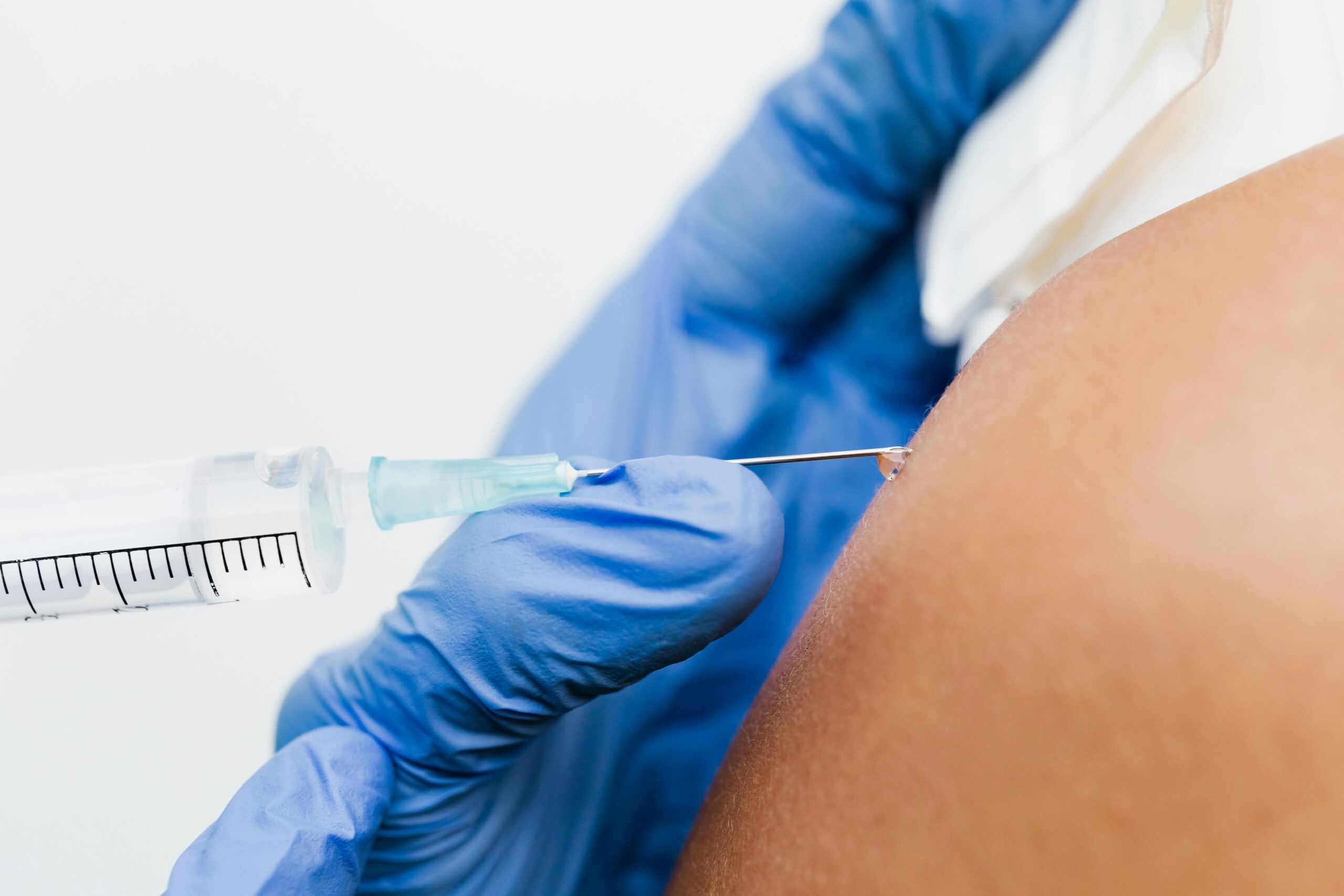
World Immunization Week, observed each year in April, highlights the role vaccines play in preventing disease and protecting communities. The observance serves as a reminder that immunization is not only a personal health decision, but also a part of the broader effort to reduce the spread of preventable disease.
Immunization often begins in childhood, building a foundation of protection early in life. Pikeville Medical Center (PMC) recognizes how immunizations support both individual health and the well-being of the entire community.
Vaccines help prevent serious and potentially life-threatening diseases, including measles, polio and whooping cough. They work by helping the body build immunity without causing the illness, allowing children to develop protection early in life.
Immunization also helps reduce the spread of disease. As more people are vaccinated, transmission within a community becomes more difficult. This level of protection is especially important for those who cannot be vaccinated, including newborns, senior adults and individuals with weakened immune systems.
Vaccines are tested for safety and effectiveness. They are continually monitored by national health organizations, including the Centers for Disease Control and Prevention (CDC). Most side effects are mild and temporary, such as soreness at the injection site or a low-grade fever. Serious reactions are rare.
PMC providers support families through routine wellness visits, education and access to recommended vaccines while encouraging informed, confident decision-making. Families with questions or those seeking more in-depth information are encouraged to review guidance from trusted sources such as the CDC at cdc.gov or speak with a qualified healthcare provider to better understand recommendations.
Recommended Immunizations by Age
Staying up to date on vaccinations is an important part of maintaining health at every stage of life. While schedules may vary based on individual needs, national guidelines provide a general framework for recommended immunizations.
Below is a simplified guide to commonly recommended vaccines by age group.
Infants and Children
Vaccines in early childhood help protect against serious diseases during the most vulnerable years of development. These immunizations are typically given in a series of doses during the first years of life, beginning in infancy, to build strong, lasting protection.
-
Hepatitis B
• Rotavirus
• Diphtheria, tetanus and pertussis (DTaP)
• Haemophilus influenzae type b (Hib)
• Pneumococcal (PCV)
• Polio (IPV)
• Measles, mumps and rubella (MMR)
• Varicella (chickenpox)
• Hepatitis A*Additional recommended vaccines may also be advised based on age, risk and current public health guidance.
Teens and Adolescents
As children grow, additional vaccines help maintain protection and address risks that become more relevant during adolescence. These vaccines help protect against infections that can have long-term health effects or spread easily in school and group settings.
-
Tetanus, diphtheria and pertussis (Tdap)
• Human papillomavirus (HPV)
• Meningococcal (meningitis)
• Annual influenza (flu) vaccine
Adults and Seniors
Vaccination remains important later in life, as recommendations continue to evolve with age and health needs. These immunizations help reduce the risk of severe illness, complications and hospitalization.
-
Annual influenza (flu) vaccine
• Tetanus, diphtheria and pertussis (Tdap or Td booster)
• Shingles (herpes zoster)
• Pneumococcal (pneumonia)
• Respiratory syncytial virus (RSV)Vaccination recommendations may vary based on age, health history, lifestyle and evolving public health guidance. Additional vaccines, including those recommended for adults and seniors, may also be advised. For a complete and up-to-date schedule, visit the CDC at cdc.gov/vaccines or speak with a qualified healthcare provider.
Vaccination is Routine Care
Immunizations play an important role in protecting health at every stage of life, from infancy through adulthood. Knowing where to go and who to call can help make staying up to date on recommended vaccines simple and accessible.
PMC offers vaccination services for patients of all ages through primary care providers, pediatric services and outpatient clinics. Routine wellness visits are one of the most common and convenient ways to receive recommended immunizations while also staying on track with overall health.
For children and teens, vaccines are typically provided during regularly scheduled checkups with a pediatric provider or family medicine physician. These visits allow providers to monitor growth and development while also keeping immunizations current.
Adults and seniors can receive recommended vaccines and boosters through primary care appointments, including annual wellness visits. Preventive care visits provide an opportunity to review immunization history and discuss which vaccines may be appropriate based on age, health status and lifestyle.
PMC care teams work with patients and families to support preventive health through education, access to vaccines and ongoing care at every stage of life. Families and individuals who are unsure about their vaccination status or need to schedule an appointment are encouraged to contact a primary care provider or pediatric office. PMC can help guide patients to the appropriate clinic or service based on their needs.
To schedule an appointment or learn more about available services or schedule an appointment to discuss your vaccination needs, contact PMC at 606-430-3500 or visit pmcky.org.